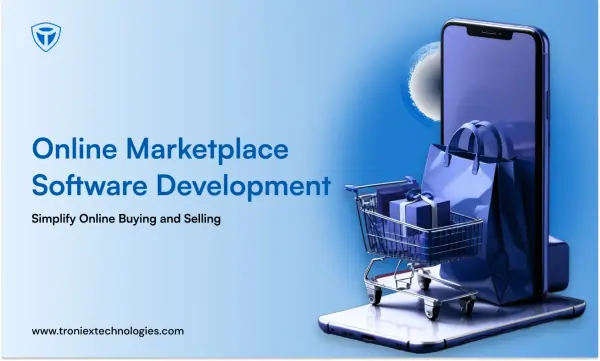
Online Marketplace App Development: A Business Owner's Guide.
Thinking about launching a marketplace app? Get practical insights into development planning, essential features, seller onboarding, and business growth.
Nov 27, 2026
9 mins read
Launching an online marketplace involves more than bringing buyers and sellers onto a single platform.
Business owners need to plan the right features, choose a suitable business model, and understand how the app will handle daily transactions.
Whether you want to build a product marketplace, service booking platform, or multi-vendor shopping app, the development process requires careful planning.
This guide covers the key steps, essential features, development stages, and real-world use cases to help you turn your marketplace idea into a working business.
What Is Online Marketplace App Development?
Online marketplace app development involves building a digital platform where multiple sellers can list their products or services, and customers can browse, compare, and purchase them.
It brings buyers and sellers together through a single application while helping businesses manage transactions and daily operations.
- Multiple Seller Management: Allow vendors to register, manage profiles, and list products independently.
- Product and Service Listings: Organize products with categories, descriptions, images, and pricing.
- Secure Payment Processing: Support online payments, commission deductions, and seller payouts.
- Order and Delivery Tracking: Help customers monitor purchases and sellers manage incoming orders.
- Centralized Admin Dashboard: Manage users, vendors, transactions, commissions, and platform activities.
Also read: Launch an Amazon-like marketplace with our development expertise.
How to Attract Your First Buyers and Sellers to a New Marketplace?
Launching a marketplace is only the first step. The real challenge is getting sellers to list their products and giving customers a reason to shop there.
A few practical marketing efforts can help business owners bring both groups onto the platform and build early activity.
- Focus on One Market: Start with a specific product category or customer group instead of trying to serve everyone at once.
- Give Sellers Early Benefits: Offer lower commissions, free product listings, or launch discounts to encourage vendors to join.
- Promote Through Social Media: Share product updates, seller stories, and special offers on platforms where your target customers spend time.
- Connect With Local Sellers: Approach local retailers, suppliers, and service providers who want to reach more customers online.
- Reward Customer Referrals: Give existing users discounts or other benefits when they invite friends to join and make purchases.
How Can AI Make Your Online Marketplace More Competitive?
Customers expect to find the right products without spending too much time searching. AI can help marketplace owners improve product suggestions, answer customer questions, and understand buying patterns. These features also help sellers make better decisions about their products and inventory.
- Personalized Product Suggestions: Recommend products based on what customers search for, view, and purchase.
- Smarter Product Search: Help customers find relevant products even when they use different words or incomplete search queries.
- AI Chatbots for Support: Answer common questions about orders, payments, returns, and account issues without requiring manual support every time.
- Demand-Based Stock Planning: Study previous sales and buying patterns to help sellers prepare for upcoming product demand.
- Suspicious Activity Detection: Identify unusual payment patterns and account behavior that may indicate fraudulent transactions.
Businesses can improve customer support through AI chatbot development that handles product queries, order updates, and common customer requests.
Essential Features of a Successful Online Marketplace App
A successful marketplace app needs features that make buying and selling easier for everyone.
From managing product listings to processing payments, each feature supports daily operations and helps customers and sellers use the platform without unnecessary difficulties.
- User Registration and Login: Allow users to create accounts, log in, and manage their personal information securely.
- Buyer and Seller Profiles: Give buyers and sellers separate profiles to manage their activities and preferences.
- Product Listing and Management: Let sellers add products, upload images, update prices, and manage product details.
- Advanced Search and Filters: Help customers find products using keywords, categories, prices, ratings, and other filters.
- AI-Based Product Recommendations: Suggest relevant products based on customer interests, browsing history, and previous purchases.
- Shopping Cart and Checkout: Allow customers to review selected products, update quantities, and complete purchases.
- Multiple Payment Gateway Integration: Support different payment methods, including cards, digital wallets, and online banking.
- Order Management and Tracking: Let buyers track orders while sellers manage processing, shipping, and delivery updates.
- Live Chat Between Buyers and Sellers: Allow customers and sellers to discuss products, clarify details, and resolve purchase-related questions.
- Wishlist and Saved Products: Let customers save interesting products and return to them whenever they want.
- Multi-Language and Currency Support: Help users shop in their preferred language and view prices in local currencies.
- Return and Refund Management: Allow customers to request returns and track refund progress through the platform.

Create a Better Buying and Selling Experience
Work with our team to build marketplace apps that simplify transactions.
Talk to Our ExpertsDifferent Types of Online Marketplace Apps Based on Products and Services
Online marketplace apps can serve different business needs depending on what customers want to buy or book.
Some platforms focus on physical products, while others connect users with service providers, rental businesses, or digital product sellers.
|
Marketplace App Type |
What It Offers |
Example Business |
|---|---|---|
|
Product Marketplace |
Physical products across multiple categories |
Amazon, eBay |
|
Service Marketplace |
Services from independent professionals |
Urban Company, Fiverr |
|
Rental Marketplace |
Properties, vehicles, and equipment for rent |
Airbnb, Turo |
|
Grocery Marketplace |
Groceries and daily household essentials |
Instacart, BigBasket |
|
Fashion Marketplace |
Clothing, footwear, and accessories |
Myntra, ASOS |
|
Food Marketplace |
Restaurant meals and food delivery |
DoorDash, Uber Eats |
|
Digital Product Marketplace |
E-books, software, courses, and digital downloads |
Udemy, Etsy |
|
Handmade Goods Marketplace |
Handmade products, crafts, and customized items |
Etsy |
|
Real Estate Marketplace |
Residential and commercial property listings |
Zillow, Realtor.com |
|
Automotive Marketplace |
New and used vehicles and automotive products |
CarGurus, Cars24 |
How to Develop an Online Marketplace App: Step-by-Step Process
Building an online marketplace app requires a clear business plan, suitable technology, and an understanding of buyer and seller expectations.
From defining the business model to launching the platform, each development stage helps create an application that supports daily operations, manages transactions, and meets changing business needs.
- Business Model Planning
- Market Research and Analysis
- Feature Selection and Planning
- Technology Stack Selection
- Development and Testing
Real-World Use Cases of Online Marketplace Apps
Online marketplace apps support different industries by bringing buyers, sellers, service providers, and customers together on one platform.
Businesses can use these applications to sell products, offer services, manage bookings, and connect with customers across different locations.
The marketplace model also allows startups and established companies to create business opportunities across multiple industries.
- E-Commerce Product Marketplaces
- Food and Grocery Delivery
- Rental and Property Marketplaces
- Freelance Service Marketplaces
- Travel and Accommodation Bookings
Single-Vendor vs. Multi-Vendor Marketplace: Which Model Fits Your Business?
Choosing between a single-vendor and multi-vendor marketplace depends on your business goals, product range, and management requirements. Both models offer different ways to sell products and generate revenue. Understanding their key differences helps you select the right marketplace structure for your business.
|
Comparison Factors |
Single-Vendor Marketplace |
Multi-Vendor Marketplace |
|---|---|---|
|
Business Ownership |
One business owner |
Multiple independent sellers |
|
Product Management |
Centralized product control |
Multiple seller listings |
|
Inventory Management |
Centralized inventory tracking |
Individual seller inventory |
|
Revenue Model |
Direct product sales |
Commission and subscriptions |
|
Order Management |
Single seller management |
Multiple seller coordination |
|
Customer Support |
Centralized customer support |
Shared support responsibilities |
|
Scalability |
Business-led expansion |
Seller-driven expansion |
|
Best For |
Individual brands and retailers |
Multi-seller business platforms |
Which Model Should You Choose?
A single-vendor marketplace suits businesses selling their own products, while a multi-vendor marketplace works better for platforms connecting multiple sellers with customers.
Your choice should depend on your revenue goals, operational capacity, and future expansion plans.
Key Challenges in Building an Online Marketplace App
Developing an online marketplace app involves more than connecting buyers and sellers.
Businesses must address technical and operational challenges to maintain platform security, manage transactions, deliver a consistent user experience, and support future growth.
Identifying these challenges early helps prevent development delays and reduces potential issues after launch.
- Multiple User Role Management
- Payment Security and Fraud Prevention
- Platform Scalability and Performance
- Buyer and Seller Trust
- Product and Inventory Management
Your Marketplace Journey Starts Here
Tell us your project requirements, and we'll help plan your app development.
Contact UsConclusion
An online marketplace app gives businesses a practical way to connect buyers and sellers, manage transactions, and expand their reach. However, building a successful platform requires the right business model, essential features, and scalable technology.
At Troniex Technologies, we help businesses develop custom online marketplace applications and provide eCommerce App Development solutions that match their operational needs and long-term business goals.