
Every Big Win Starts With One Small Step Make Yours!
Great achievements don’t happen overnight. Take your first step today and let success follow.
4+Years of Expertise
Pioneering blockchain andAi since day one

99.6%Client Satisfaction
Where ambition meetsexecution—every time.

100%Quality Assurance
Code audited,stress-tested, future-proofed.

150+Projects Delivered
From seed-stage startupsto enterprise ecosystems.

Private Equity Tokenization Development Services
Troniex Technologies develops private equity tokenization platforms around each client's business model, investment structure, and technical requirements. Our development services cover platform architecture, token engineering, investor interfaces, smart contracts, and third-party integrations, helping businesses build digital infrastructure to manage eligible private equity interests. For businesses planning to digitize private equity interests or other investment assets, Troniex also develops asset tokenization platforms, including token architecture, smart-contract implementation, investor interfaces, and blockchain integration.
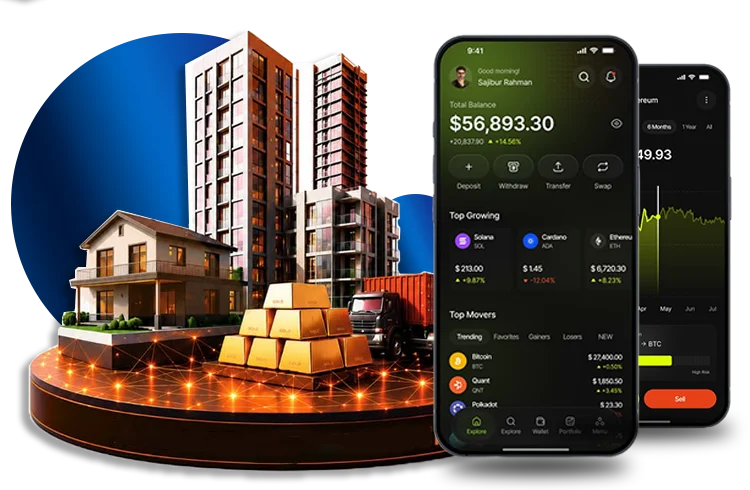
Custom Private Equity Tokenization Development
Our custom private equity tokenization development services help businesses create platforms tailored to their investment structures and operational workflows. We design configurable systems for token issuance, investor verification, ownership tracking, fund administration, and permissioned transfers, with architecture aligned to the client's business requirements.
White-Label Private Equity Tokenization Platform Development
Businesses seeking a faster route to market can explore white-label private equity tokenization platform development. We can customize platform interfaces, branding, investor dashboards, administrative modules, and tokenization workflows around an existing software foundation, subject to the selected solution's capabilities and integration requirements.
Private Equity Security Token Development
Private equity security token development involves engineering digital tokens that represent eligible securities or investment interests under an applicable legal structure. Our development scope can include token issuance contracts, investor whitelisting, transfer restrictions, ownership records, and configurable transaction permissions.
Private Equity Fund Tokenization Solutions
Our private equity fund tokenization solutions focus on the technology required to represent eligible fund interests digitally. We can develop investor onboarding workflows, subscription management modules, fund-level dashboards, ownership records, and distribution-related functionality based on the fund's operating model and legal requirements.
What Is Private Equity Tokenization and How Does It Work?
Private equity tokenization uses blockchain technology to represent eligible private company shares, fund interests, or other investment rights through digital tokens. The tokens operate within defined legal, contractual, and technical frameworks. A properly designed platform connects token records with investor eligibility, ownership administration, transfer restrictions, and applicable fund operations.
Tokenized private equity refers to the digital representation of private equity interests through blockchain-based tokens. Depending on the legal structure, these tokens may represent shares, fund interests, or contractual rights. Their ownership and transfer functionality must correspond with the underlying legal documentation and applicable securities requirements.
The process generally begins with identifying the asset or fund interest and establishing its legal and operational structure. The platform then configures investor eligibility, token economics, issuance rules, and smart contracts. Following verification and subscription procedures, eligible investors receive token allocations, while ownership and permitted transactions are recorded and administered through the platform.
Traditional private equity commonly relies on conventional ownership records, fund administration systems, and manually coordinated investment processes. Tokenized structures can introduce programmable ownership records, automated transaction rules, and integrated investor interfaces. However, tokenization does not automatically change the underlying legal rights, eliminate intermediaries, or guarantee liquidity.
Launch Your Private Equity Tokenization Platform with Troniex
Turn your private equity tokenization concept into a functional blockchain-based platform. Get technical guidance on platform architecture, smart contracts, investor onboarding, and fund administration workflows.
Types of Private Equity Tokenization Platforms We Develop
Different organizations require different tokenization infrastructure depending on their investment products, investor categories, fund structures, and operational responsibilities. Troniex approaches private equity tokenization platform development with configurable architecture that can support multiple business models and asset-management requirements.
Private Equity Fund Tokenization Platforms
Private equity fund tokenization platforms support the digital representation and administration of eligible fund interests. Their functionality can include investor subscriptions, token allocation, ownership records, fund-level reporting, distribution workflows, and controlled transfers according to the fund's governing documents.
Private Company Equity Tokenization Platforms
Private companies can explore tokenization infrastructure for representing eligible equity interests digitally. These platforms may include shareholder registration, issuance management, ownership tracking, investor verification, transfer permissions, and administrative controls aligned with the company's capitalization structure.
Institutional Private Equity Tokenization Platforms
Institutional platforms require stronger controls over user permissions, investor verification, transaction approvals, reporting, and external system integrations. We can design modular infrastructure that supports different administrative roles, institutional workflows, audit records, and configurable security requirements.
White-Label Tokenized Private Equity Platforms
A white-label platform allows businesses to launch a branded tokenization solution using configurable existing infrastructure. Depending on the selected foundation, businesses can customize user experiences, investor portals, administrative workflows, and integrations without engineering every component independently.
Key Features of Our Private Equity Tokenization Software
Private equity tokenization software must connect investor-facing functionality with the operational systems used by fund managers and administrators. Troniex can develop modular features that support investment onboarding, token issuance, ownership administration, reporting, and transaction management while maintaining appropriate permissions and security controls.

Investor Registration and Verification
The investor registration module provides a structured onboarding experience through account creation, identity verification integrations, document submission, and eligibility checks. Configurable approval workflows help platform operators manage investor access before allowing participation in restricted investment offerings.
Digital Securities Issuance and Management
Token issuance functionality manages the creation, allocation, and lifecycle of digital representations of eligible securities or fund interests. The module can support configurable token supply, issuance approvals, allocation records, and administrative controls based on the approved offering structure.
Investor Dashboard and Portfolio Management
An investor dashboard provides access to relevant account information, token holdings, transaction history, subscription status, and investment-related documents. A consolidated interface helps investors understand their recorded positions while giving administrators appropriate tools for managing platform activity.
Cap Table and Ownership Management
Ownership management functionality maintains records of token allocations, investor positions, and permitted ownership changes. Depending on the legal and technical structure, the platform can connect blockchain records with capitalization tables and external administration systems for reconciliation and reporting.
Capital Calls and Distribution Management
Capital call and distribution modules can organize investor notifications, contribution tracking, payment status, and distribution calculations. Business rules can be configured around fund documents, investor commitments, and administrator approvals rather than assuming that every fund follows an identical process.
Secondary Transfer and Trading Management
Permissioned transfer functionality manages proposed token movements according to investor eligibility, holding restrictions, jurisdictional requirements, and applicable approval procedures. Where an authorized secondary-market arrangement exists, the platform can integrate relevant transfer or trading infrastructure.
Fund Administration and Reporting
Administrative modules can support investor statements, fund-level reporting, subscription records, capital activity, distribution histories, and transaction reconciliation. Integration with existing fund administration systems can reduce fragmented data management and improve operational visibility.
Admin Dashboard and Role-Based Access Control
An administrative dashboard provides authorized personnel with tools to manage investors, review transactions, configure permissions, and monitor platform operations. Role-based access control helps separate responsibilities between fund managers, compliance personnel, administrators, and technical operators.
Private Equity Tokenization Platform Architecture and Technology Stack
A scalable private equity tokenization platform requires coordinated frontend, backend, blockchain, identity, and integration layers. Troniex designs modular architecture around transaction requirements, security expectations, data management, and anticipated platform growth, ensuring that business workflows connect with the underlying blockchain infrastructure.
Frontend and Backend Architecture
The frontend provides investor portals, administrator dashboards, and interfaces for fund operations. Backend services manage authentication, investor records, transaction requests, workflow approvals, API communication, and business logic. A modular architecture makes it easier to maintain and extend platform functionality.
Blockchain Network and Infrastructure
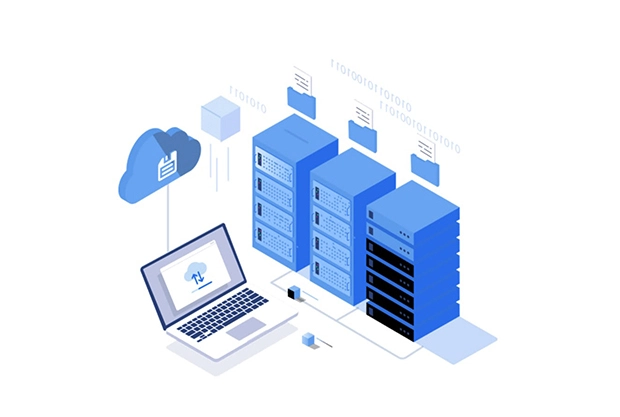
Blockchain infrastructure maintains token-related transactions and relevant ownership records. Network selection depends on transaction costs, performance, ecosystem maturity, interoperability, privacy requirements, and the token framework required by the project. The selected network should support the intended operating model. The underlying network, API, and application layers should be selected around the fund's transaction volume, governance requirements, and integration needs, supported by relevant blockchain development services

Smart Contract Architecture
Smart contracts implement programmable rules for token issuance, allocation, transfers, and other supported functions. Their architecture should account for access permissions, administrative roles, upgradeability decisions, transaction validation, and recovery procedures where appropriate.

Satellite Imagery and Remote Sensing
Satellite imagery and remote sensing provide additional information about agricultural land and crop conditions. Depending on image resolution, frequency, and processing methods, software can support vegetation monitoring, field comparisons, and identification of areas requiring further inspection. These capabilities complement, rather than replace, physical field assessments.

Token Standards and Permissioned Asset Frameworks
The appropriate token standard depends on the underlying asset, network, legal structure, and transfer requirements. ERC-20 may be suitable for certain fungible token applications, while ERC-1400 and ERC-3643 provide frameworks relevant to security token and permissioned asset implementations. The final selection requires technical and legal evaluation.
API and Third-Party Integrations
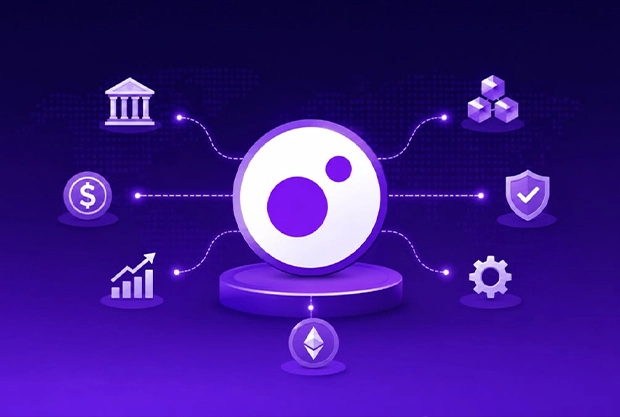
API integrations connect the tokenization platform with identity verification services, custody providers, payment infrastructure, fund administration software, reporting systems, and other business applications. Well-defined APIs help maintain consistent data exchange across platform components.
Database, Cloud Infrastructure, and Scalability
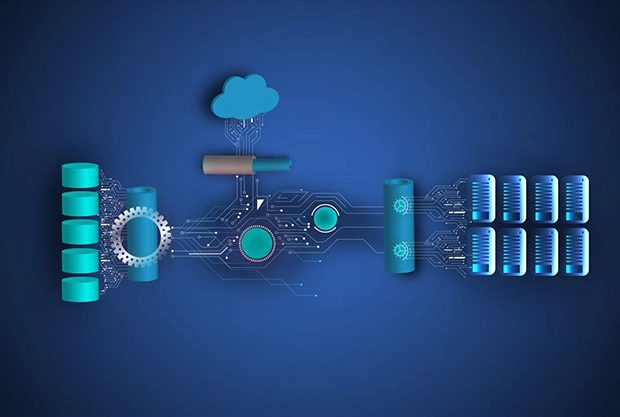
Database and cloud architecture support investor information, platform configuration, transaction references, documents, and administrative records. Appropriate encryption, access controls, backups, monitoring, and infrastructure scaling help maintain platform reliability as usage and operational complexity increase.

Smart Contract Development for Private Equity Security Tokens
Smart contracts provide the programmable foundation for private equity security token functionality. They can enforce predefined issuance rules, transaction permissions, ownership updates, and distribution-related logic. Troniex approaches smart contract development with attention to business requirements, network compatibility, access controls, and security testing. Issuance, ownership updates, transfer permissions, and distribution logic can be implemented through purpose-built contracts; explore Troniex's smart contract development services for the underlying engineering capabilities.

Security Token Issuance and Lifecycle Management
Token issuance contracts can manage authorized token creation, allocation, supply controls, and supported lifecycle operations. Administrative functions should be restricted through clearly defined permissions, approval mechanisms, and documented governance procedures.

Investor Whitelisting and Transfer Restrictions
Investor whitelisting enables token contracts to recognize approved wallet addresses. Transfer rules can incorporate eligibility conditions, holding periods, jurisdictional restrictions, and other offering-specific requirements before permitting transactions between addresses.

Automated Distribution and Corporate Actions
Smart contracts can support programmed distribution calculations, investor allocation logic, and selected corporate-action workflows. These functions should be connected to validated fund records and authorized approvals, particularly when calculations depend on complex waterfall structures or external financial information.

Smart Contract Testing and Security Audits
Smart contract testing should cover functional correctness, access control, transaction validation, edge cases, and potential vulnerabilities. Independent security audits can provide an additional assessment before deployment. Audit completion should never be represented as a guarantee that a contract is entirely risk-free.
Get Started with Private Equity Tokenization Platform Development
Take the next step toward building your digital investment infrastructure. Share your business objectives and explore the development scope for token issuance, fund administration, investor management, and blockchain integration.
Code,Deploy,Dominate!
Future Proof Technology, Stacked for Your SUCCESS!
 HTML5 & CSS3
 React Js
 Angular Js
 Vue Js
 Next Js
 Java
 Python
 Node Js
 PHP
 C/C++
 Rails
 SQL
 Mongo DB
 Kafka
 Nginx
 Apache
 Heroku
 CloudFlare
 AWS
 TensorFlow
 Docker
 Kubernetes
 Jenkins
 Kotlin
 Trade Giant
 React Native
 Flutter
 Wordpress
 Magento
 Shopify
 Drupal
 Hyperledger
 GO
 Rust
 Solidity
Our Trusted
Client Testimonial

Our partnership with Troniex has been fantastic. Their team is professional, committed, and always supportive. Their quality work and reliability helped us launch our project on time. I truly appreciate their support.
Project: Casino - Poker
Alex
Partner, Brevin
We are excited to work with Troniex on another project! My colleagues and I were impressed by their professionalism, attention to detail, and the support they provided during our project. Thank you guys for being with us
Project: Fibitpro
Nilesh
Sr. Consultant, Fibitpro
You guys really deserved my trust! I recommend Troniex, who need a perfect partner to setup a business. Mr. Saravanan and Mr. Rajasekar are highly motivated and talented, helped me to launch my business effortlessly.
Project: Poker Bet
James Mathew
Software Architect
I'm truly grateful to Troniex Technologies for bringing my business idea to life. Their expertise and attention to detail made the whole process smooth. I highly recommend their team to anyone looking for reliable support.
Project: Apex21
Arnold
Apex Crypto Academy
KYC, AML, Security, and Compliance-Aware Platform Development
Private equity tokenization platforms operate within investment and securities environments where investor eligibility, asset ownership, transfer permissions, and data protection require careful consideration. Troniex develops technology components that can integrate relevant compliance processes, while legal interpretation and regulatory approvals remain the responsibility of qualified professionals and applicable regulated parties.
KYC and AML Integration
KYC and AML integrations connect the platform with identity verification, document screening, and risk assessment providers. Depending on jurisdiction and business requirements, onboarding workflows can include identity checks, sanctions screening, verification status management, and ongoing review procedures.
Accredited and Eligible Investor Verification
Some private investment offerings restrict participation to accredited, professional, qualified, or otherwise eligible investors. A tokenization platform can integrate verification workflows and maintain eligibility records, helping prevent unauthorized access to restricted investment functionality.
Permissioned Transfers and Jurisdictional Controls
Transfer restrictions can be configured around investor categories, jurisdictional conditions, holding periods, and offering documentation. The platform should evaluate relevant permissions before processing a transfer, with exception handling and administrator review where required.
Wallet Security and Custody Integration
Wallet and custody integrations connect investor accounts with the infrastructure used to hold and authorize digital asset transactions. Depending on the operating model, options may include custodial services, non-custodial wallets, multisignature controls, or institutional key-management infrastructure.
Data Protection and Audit Trails
Sensitive investor information should be protected through encryption, controlled access, secure document handling, and appropriate data retention practices. Audit trails can record important administrative actions, approvals, and transaction events to support operational monitoring and accountability.
Our Private Equity Tokenization Platform Development Process
Successful tokenization development requires more than deploying a smart contract. Our development approach organizes the project into defined stages, from initial requirements and solution architecture through implementation, testing, deployment, and ongoing maintenance. Each stage establishes the technical foundation for the next.
We begin by understanding the business model, asset structure, investor categories, operating jurisdictions, fund workflows, and integration requirements. This discovery stage helps identify technical dependencies, project priorities, and the platform capabilities required for the proposed solution.
01
The architecture stage defines the platform components, blockchain selection, token framework, data model, permissions, and external integrations. The solution design translates business and operational requirements into a technical implementation plan.
02
The design stage focuses on investor onboarding, portfolio interfaces, fund administration dashboards, and transaction workflows. Prototypes help stakeholders review navigation, user journeys, and administrative functionality before full-scale implementation begins.
03
Developers implement token contracts, backend services, APIs, business rules, and platform modules. Development follows the agreed technical architecture, with attention to access permissions, transaction validation, maintainability, and integration requirements.
04
The platform is connected with selected identity providers, custody services, payment systems, and other external applications. Functional, integration, and regression testing help identify issues before the solution moves toward deployment.
05
Security testing evaluates application components, smart contracts, authentication, and transaction workflows. Following stakeholder approval and required external assessments, the platform can be deployed to the selected production infrastructure.
06
Post-launch support can include monitoring, bug fixes, infrastructure updates, integration maintenance, performance improvements, and feature enhancements. Ongoing maintenance helps the platform adapt to changing business requirements and technology dependencies.
07
Blockchain Networks and Integrations for Private Equity Tokenization
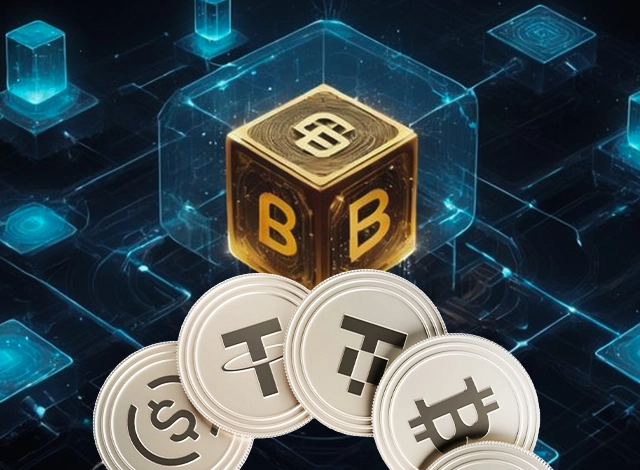
Blockchain selection influences transaction economics, smart contract compatibility, interoperability, and platform operations. Troniex evaluates network requirements alongside token standards, investor access, custody infrastructure, and external integrations to identify an appropriate technical foundation for each private equity tokenization project. Where investors need blockchain-based account access, transaction signing, and asset visibility, the platform may also require multi-chain crypto wallet development.
Ethereum and EVM-Compatible Networks
Ethereum offers an established smart contract ecosystem and broad infrastructure support. EVM-compatible networks provide additional deployment options for projects evaluating transaction costs, ecosystem integrations, and network-specific operating requirements.
Polygon and Other Blockchain Networks
Polygon and other blockchain networks may be considered when transaction economics, application compatibility, and ecosystem requirements support their selection. The final choice should account for network security, reliability, liquidity infrastructure, and long-term maintenance.
Enterprise and Permissioned Blockchain Infrastructure
Certain institutional applications may require permissioned infrastructure, controlled participation, or specialized governance arrangements. Enterprise blockchain options can be evaluated according to confidentiality, access management, transaction visibility, and integration requirements.
Wallet, Custody, and Payment Integrations
Wallet and custody integrations support asset holding, transaction authorization, and investor access. Payment integrations can connect subscription and distribution workflows with appropriate financial service providers, subject to their supported jurisdictions and operating models.
Fund Administration and Financial Software Integrations
Integrations with fund administration, accounting, reporting, and investor management applications help synchronize operational information. API-based connectivity can reduce duplicate data entry and support more consistent records across different business systems.
Benefits of Developing a Private Equity Tokenization Platform
A properly structured private equity tokenization platform can improve how businesses administer eligible investment interests and coordinate investor-related activities. Its value depends on the underlying legal structure, platform architecture, operational adoption, and integration quality rather than tokenization alone. For fund operators managing multiple investment positions and investor portfolios, related <a href='/crypto-asset-management-services' class='text-decoration-none'>crypto asset management services</a> can support the broader portfolio-management and operational infrastructure.
Improved Ownership Transparency
Blockchain-based records can provide a consistent transaction history and support visibility into recorded token allocations and transfers. When appropriately reconciled with legal ownership and fund administration records, this can improve operational transparency.
Streamlined Investor Management
Integrated onboarding, investor profiles, verification records, and portfolio dashboards help centralize investor-related activities. Fund operators can manage relevant information through defined workflows rather than relying on disconnected applications.
Automated Fund Administration Workflows
Programmable workflows can reduce repetitive administrative tasks involving notifications, transaction approvals, allocation records, and selected distribution processes. Human oversight remains important for exceptions and complex fund-level decisions.
Programmable Asset Management
Smart contracts enable configurable rules for token issuance, transfer permissions, and selected asset-management operations. These capabilities allow platform operators to implement business logic directly into supported blockchain workflows.
Flexible Investor Access and Transfer Management
A tokenization platform can provide controlled investor access and configurable transfer functionality. Depending on the applicable legal framework and market infrastructure, it may support eligible transfer arrangements without implying unrestricted trading or guaranteed liquidity.
Private Equity Tokenization Development Use Cases
Private equity tokenization infrastructure can serve different organizations involved in private investment, asset management, and digital securities. The appropriate platform design depends on the asset being represented, the investor audience, the issuing entity, and the operational responsibilities of participating organizations.
Private Equity Fund Managers
Fund managers can use tokenization platforms to administer eligible fund interests, manage investor subscriptions, maintain ownership records, and coordinate reporting. Configurable modules can support fund-specific investment workflows and administrative requirements.
Private Investment Firms
Private investment firms may explore tokenization infrastructure for representing eligible investment interests and organizing investor participation. Platform functionality can include issuance management, investor verification, portfolio records, and controlled transfer workflows.
Private Company Equity Issuance
Private companies can evaluate token-based systems for representing eligible equity interests and managing shareholder-related records. Any implementation must align token functionality with the company's capitalization structure, shareholder agreements, and applicable securities requirements.
Institutional Investment Platforms
Institutional investment platforms may require integrated investor management, controlled transaction permissions, reporting, custody connectivity, and administrative oversight. Modular architecture allows these components to be designed around institutional operating requirements.
Digital Asset and Tokenization Businesses
Businesses launching tokenization services can use custom or white-label infrastructure to offer asset issuance and management capabilities. Their platforms may support multiple asset categories, configurable workflows, and integrations with relevant blockchain and financial service providers.
Start Your Private Equity Tokenization Project with Troniex Technologies
Bring your private equity tokenization vision into a practical development plan. Connect with Troniex Technologies to discuss platform architecture, development requirements, smart contracts, integrations, and ongoing technical support.
Contact UsPrivate Equity Tokenization Platform Development Cost and Timeline
The cost of private equity tokenization platform development depends on the project's functionality, technical complexity, integration requirements, and security expectations. A basic issuance platform and a comprehensive institutional fund administration system require substantially different resources. A detailed estimate should follow technical discovery and scope definition.
Factors Affecting Private Equity Tokenization Development Cost
Development costs are influenced by blockchain selection, smart contract complexity, investor onboarding, security controls, dashboard requirements, third-party integrations, and fund administration functionality. Regulatory and legal advisory expenses, infrastructure charges, and independent audits may also form separate project costs.
Custom vs. White-Label Platform Development Costs
Custom development generally requires more engineering effort because architecture, workflows, and functionality are designed around specific requirements. White-label solutions can reduce initial development effort when the existing foundation meets the business needs, although customization, licensing, integrations, and ongoing maintenance still affect total costs.
Private Equity Tokenization Platform Development Timeline
The development timeline depends on scope, stakeholder approvals, integrations, testing requirements, and deployment complexity. A focused minimum viable product may require less time than a multi-fund institutional platform with advanced permissions, custody connectivity, and comprehensive administration workflows. A realistic schedule should be established after discovery.
Maintenance and Ongoing Infrastructure Costs
Post-launch expenses may include cloud hosting, blockchain transaction fees, API subscriptions, custody services, security monitoring, software updates, and technical support. Businesses should account for these recurring costs when evaluating the long-term operating model.
Why Choose Troniex Technologies for Private Equity Tokenization Development?
Troniex Technologies approaches private equity tokenization as a combination of blockchain engineering, smart contract development, software architecture, and business workflow implementation. We focus on understanding project requirements before selecting the technology components needed to build a maintainable platform aligned with the client's operational objectives.
Custom-Built Blockchain Solutions
We develop blockchain software around defined business requirements rather than forcing every project into a fixed technical structure. This approach allows platform architecture, functionality, and integrations to be planned according to the intended asset and operating model.
Secure Smart Contract Engineering
Our smart contract development approach considers token functionality, transaction permissions, access controls, and testing requirements. We focus on implementing business rules carefully and supporting independent security assessment where required.
Flexible Custom and White-Label Development
Businesses can explore custom platform development or white-label implementation depending on their budget, timeline, and technical priorities. We evaluate the required functionality to help determine which approach is more appropriate for the project.
Integration-Focused Architecture
We consider how tokenization infrastructure connects with investor verification providers, wallets, custody systems, financial applications, and fund administration software. Integration planning helps avoid isolated blockchain functionality that does not support wider business operations.
Dedicated Development and Technical Support
Our development engagement can cover requirements analysis, solution design, implementation, testing, deployment, and ongoing technical support. We aim to maintain clear communication around project scope, deliverables, dependencies, and development milestones.