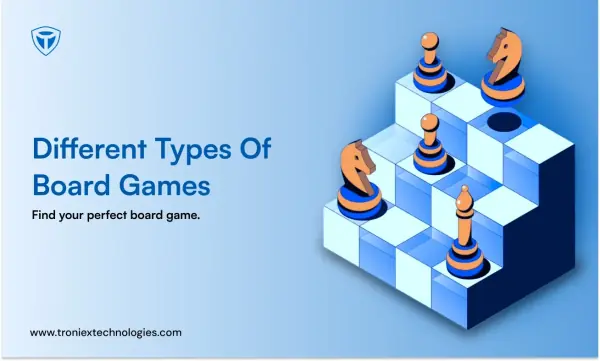
Types of Board Games with Examples: The Ultimate Beginner's Guide for 2026
A structured breakdown of board game categories for families, strategists, and beginners, plus how traditional games compare to modern designs.
Sep 09, 2026
11 mins read
Board games have remained a favorite source of entertainment for generations, offering a perfect blend of fun, strategy, and social interaction. With countless genres available, choosing the right game can feel overwhelming, especially for beginners.
Understanding the different types of board games makes it easier to find games that match your interests, skill level, and group size.
This guide will explain the most popular categories with examples of board games, which will result in a discovery of fun ideas for families, game nights, and other types of gatherings and competitions.
- Explore popular board game types and their unique gameplay.
- Learn which board game genres suit every player.
- Discover classic and modern board games with examples.
What Are Board Games?
Board games are like tabletop pastimes where people follow predefined rules to reach a particular goal using a board, cards, dice, tokens, or other bits and pieces.
They show up in many genres, from those classic family staples to more modern strategy-style board games, and they basically nudge you toward sharper thinking, social fun, and good-spirited rivalry, while still being a pretty entertaining way to play, no matter your age.
Also Read: Our board game development company creates scalable games for global gaming businesses.
Different Types of Board Games Explained with Examples
Board games are available in lots of genres, and each one brings its own kind of rhythm and experience. So you might see strategy games, family games, cooperative games, or party games, and each type fits different moods, interests, and even skill levels.
Take a look at the most well-liked board game categories, with a few examples, so you can pick the right match for your next game night.
Strategy board games
Strategy board games focus on thoughtful planning, tactical decision-making, and long-term success rather than luck. Players must analyze each move, manage resources effectively, and adapt their strategy to outsmart opponents.
These games are ideal for those who enjoy intellectual challenges and competitive gameplay.
What Are Strategy Board Games?
Such games involve making calculated decisions during the course of the game, and winning or losing depends on personal skills like planning and anticipating the opponent's moves.
What Are the Key Features?
These games are characterized by resource management, territory control, numerous winning possibilities, and sustainability.
Popular Examples
- Chess
- Catan
- Risk
- Terraforming Mars
- Scythe
Best For
Strategy board games are best suited for teenagers, adults, experienced gamers, and players who enjoy solving complex problems and developing winning tactics.

Build the Next Popular Board Game
Transform classic or original concepts into scalable digital gaming experiences.
Talk To Our ExpertsFamily Board Games
Family board games are supposed to be easy, fun, and accessible to players of different ages. They promote discussion, friendly competition, and quality time, making them excellent for family get-togethers and casual game nights.
Key Features
Simple and clear rules, balanced play, and short learning curves mean that everyone can play, no matter experience.
Recommended Age Groups
Most family board games are designed for kids aged six and older but are still fun for teens, parents, and grandparents.
Popular Examples
- Monopoly
- Scrabble
- Ticket to Ride
- The Game of Life
Best For: Families, children, casual players, and anyone looking for fun, easy-to-learn games for all ages.
Cooperative Board Games
Cooperative board games are designed for players to collaborate rather than compete against one another. Every player comes with different abilities and strategies to the table with the common goal in mind. Communication and teamwork are the keys to victory.
Objectives Based on Team
Players work together to complete missions, overcome hurdles, or beat the game. Each decision affects the group, which results in tactical conversations and collaboration.
Shared Successes
Unlike competitive games, they all win or lose together. This builds a more inclusive experience where teamwork is rewarded over individual accomplishment.
Popular Examples
- Pandemic
- Spirit Island
- Forbidden Island
- The Crew
- Arkham Horror
Best For: Friends, families, and teams who enjoy working together to achieve shared goals and solve challenges.
Deck-Building Board Games
Deck-building board games are based on developing and upgrading your own deck of cards as the game progresses. The better cards and powers a player gets, the more different strategies they may open up to affect each turn.
Progression Based on Cards
Each player begins with a basic deck and builds up a potent arsenal of cards through earning resources or defeating opponents. Knowing how to make good combinations is the secret to long-term success.
Tactical Gameplay
It’s all about finding the right balance between attack, defense, and resource generation and customizing your deck to the changing conditions of the game and your opponents’ strategy.
Popular Examples
- Dominion
- Clank!
- Ascension
- Star Realms
- Hero Realms
Best For: Players who enjoy strategy, card combinations, resource management, and evolving gameplay.
Economic Board Games
Economic board games challenge players to build wealth through trading, investing, and managing resources efficiently. They combine financial planning with strategic decision-making, making every investment an important step toward victory.
Trading and Resource Management
Players buy, sell, negotiate, and exchange resources to maximize profits while adapting to changing market conditions and competition.
Business Simulation
Many games simulate real-world economic systems by incorporating production, supply chains, investments, and market competition, offering a realistic business management experience.
Popular Examples
- Monopoly
- Power Grid
- Brass: Birmingham
- Food Chain Magnate
- Container
Best For: Entrepreneurs, strategy lovers, and players interested in trading, resource management, and financial planning.
War and Military Board Games
War and military board games recreate battlefield scenarios where players command armies, develop tactical plans, and compete for strategic objectives. These games emphasize careful planning and resource allocation rather than pure luck.
Tactical Gameplay
Players position units, manage supplies, and execute battle strategies while responding to changing situations on the battlefield. Every move can influence the final outcome.
Historical and Fictional Settings
Some games recreate famous historical conflicts, while others feature fantasy or science-fiction worlds with unique military mechanics and strategic challenges.
Popular Examples
- Axis & Allies
- Memoir '44'
- Twilight Struggle
- Commands & Colors
- Undaunted: Normandy
Best For: History enthusiasts, strategy gamers, and players who enjoy tactical battles and military simulations.
Role-Playing and Adventure Board Games
Role-playing and adventure board games immerse players in story-driven worlds filled with exploration, quests, and character development. Every decision influences the narrative, making each session feel like a unique adventure.
Story-Driven Gameplay
Players uncover new locations, complete missions, solve mysteries, and face unexpected challenges while progressing through an evolving storyline.
Character Progression
As the game advances, characters gain experience, unlock new abilities, collect equipment, and become stronger, creating a rewarding sense of progression.
Popular Examples
- Gloomhaven
- Talisman
- Betrayal at House on the Hill
- Descent: Legends of the Dark
- Mice and Mystics
Best For: Story lovers, fantasy fans, role-playing enthusiasts, and groups seeking immersive adventures.
Also read: Explore professional Ludo game development services for your business.
Traditional vs. Modern Board Games: What's the Difference?
Board games have taken a whole new level lately, since they offer players a multitude of diverse experiences. Classic board games are known for their simple rules and their ability to endure the test of time.
Modern board games have plenty of innovative mechanics, more sophisticated strategies, and interesting themes.
Understanding the differences between these two sorts of board games will help you pick the best one for your likes and expertise.
|
Feature |
Traditional Board Games |
Modern Board Games |
|
Gameplay Style |
Simple, familiar gameplay with easy-to-follow rules. |
Strategic, innovative mechanics with multiple ways to play. |
|
Learning Curve |
Quick to learn and suitable for beginners. |
May require more time to learn due to advanced rules and mechanics. |
|
Role of Luck |
Often relies heavily on dice rolls or chance. |
Focuses more on player decisions, planning, and strategy. |
|
Themes |
Classic themes such as property trading, word games, or race-to-finish gameplay. |
Diverse themes including fantasy, science fiction, historical events, survival, and city building. |
|
Player Interaction |
Primarily competitive with straightforward objectives. |
Offers competitive, cooperative, and team-based gameplay experiences. |
|
Game Duration |
Usually lasts between 30 and 90 minutes. |
Can range from quick 20-minute sessions to several hours depending on complexity. |
|
Replay Value |
Limited variation, with similar gameplay in each session. |
High replayability due to variable setups, expansions, and multiple strategies. |
|
Game Components |
Typically includes a board, dice, cards, and tokens. |
Often features detailed miniatures, custom boards, modular tiles, premium components, and companion apps. |
|
Best Suited For |
Families, children, casual players, and beginners. |
Hobby gamers, strategy enthusiasts, and players seeking deeper gameplay experiences. |
|
Popular Examples |
Chess, Monopoly, Ludo, Scrabble, Snakes and Ladders. |
Catan, Wingspan, Gloomhaven, Azul, Terraforming Mars. |
Top Benefits of Playing Board Games
Board games kind of do more than just entertainment; you know, they help people grow life skills, and also they end up making real social bonds. If you like strategy stuff, family evenings, or cooperative games, then playing regularly can sharpen mental abilities, help relationships feel better, and give you a genuinely enjoyable way to unwind.
- They enhance your critical thinking through strategic planning and smart decision-making too.
- They also strengthen communication and teamwork during those collaborative sessions with friends and family.
- Over time, they improve memory and concentration, especially when you keep tackling fun gameplay challenges on a regular basis.
- They reduce stress, not by “forcing” anything but by giving you relaxing moments shared with others.
- And yeah, they can encourage creativity when you jump into unusual themes and imaginative problem-solving moments.
- Finally, they build patience and resilience through healthy competition, plus consistent practice, like you keep showing up.
How to Choose the Best Board Game for Your Needs?
Choosing the right board game depends on your preferences, group size, skill level, and available time. By considering these factors, you can confidently pick a game that matches your interests and creates enjoyable experiences for every game night together every time.
- Choose games based on your group size.
- Match the game to players' ages.
- Pick themes that suit your interests.
- Set a budget before purchasing.
Ready to Build Your Own Board Game?
Turn your game idea into a successful digital experience.
Contact UsConclusion
Board games are way more than just simple entertainment; they kind of pull people together, promote real interaction, and somehow help build useful life skills along the way.
If you browse the different kinds of board games, you’ll usually land on something that matches what you like, the age group, and the way you actually play.
So whether your mood is strategy, cooperative puzzles, party games, or those familiar family favorites, there’s always a game for whatever occasion comes up.
Picking the right board game can make game night feel more fun. Not only that, but it can sharpen critical thinking, communication, teamwork, and even creativity.
As interest in digital gaming continues to grow, partnering with a mobile game development company can help transform classic board games into engaging mobile experiences. And since board game genres keep evolving, players now have more chances than ever to try fresh, exciting experiences.
At Troniex Technologies, we’re really into creating engaging digital gaming experiences that spark both entertainment and innovation. Whether you’re a board game fan or you’re planning to develop your own game? Our team is ready to help turn your idea into something real.