P2P Lending Software Development Company | Build Secure & Scalable Lending Platforms
Looking for a reliable P2P lending software development company? Troniex Technologies builds secure, compliant, AI-driven lending platforms with risk scoring, KYC/AML, automated underwriting, and blockchain-ready architecture. Get a custom quote.
Sep 24, 2026
11 mins read
Founders, want in on P2P lending's $176.5 billion boom this year?
You see the growth. Digital demand, fresh credit tools, and bank-free ops drive it. But platforms hit walls. Risk gaps, RBI's T+1 rules, weak fraud checks, and crash-prone scaling slow you down.
Troniex fixes that. We build secure, rule-ready, growth-proof P2P platforms. You get core features, smart architecture, compliance setups, cost breakdowns, and full build steps.
This post covers key features, architecture choices, compliance frameworks, cost breakdowns, and the full development process.
Why Businesses Invest in P2P Lending Platforms Today?
Small and medium enterprises face a $5 trillion global credit gap. Meanwhile, banks reject 40% of loan requests due to strict rules.
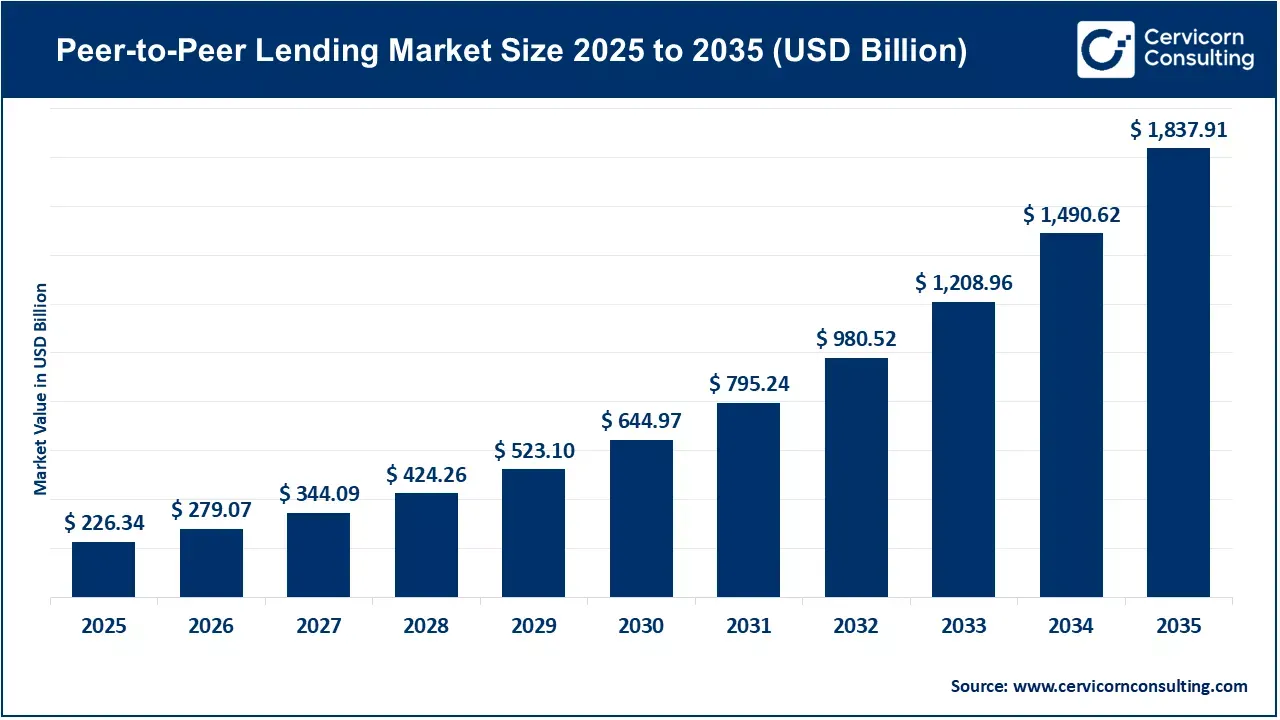
P2P platforms profit from transaction fees (1-3%), subscriptions for premium features, and loan management services, creating steady income.
These platforms shift control from banks to direct lender-borrower connections. This cuts out middlemen and speeds up capital flow.
Common uses include invoice financing for fast B2B cash flow, micro-lending for underbanked groups, and fractional real estate lending to open property investing to more people.
What a P2P Lending Software Development Company Must Deliver?
Top providers excel in fintech architecture, risk engines, compliance, and secure, high-volume loan workflows.
They build lending engines with microservices handling matching, disbursement, and repayments, usually powered by Node.js backends and PostgreSQL or MongoDB databases for smooth scaling.
Platforms use automated underwriting and AI credit scoring to analyze new data sources, cutting approval times to minutes and spotting 30% more defaults early.
Vendors integrate KYC/AML checks via providers like Onfido or Sumsub, PCI DSS-compliant payment gateways, and RBI-required escrow accounts for fund segregation.
These solutions support multiple asset types, fiat (UPI, Razorpay), crypto wallets, and tokenized assets on Ethereum or Solana smart contracts.
Troniex stands out with ready DeFi lending and RBI-compliant P2P systems, powering 5+ live platforms with 99.99% uptime and zero compliance failures.

Build a Future-Ready P2P Lending Platform
Launch your RBI-compliant P2P lending platform with next-gen architecture, DeFi-ready modules, and end-to-end compliance assurance.
Talk To Our ExpertsCore Features Every P2P Lending Platform Needs
P2P lending platforms connect lenders and borrowers through secure digital marketplaces. Core features drive efficiency, compliance, and scalable revenue.
Lender dashboard
The Lender Dashboard shows real-time portfolio performance, returns, and risk exposure. It allows investment diversification across loan grades. Transparent earnings tracking improves retention.
Borrower dashboard
The Borrower Dashboard displays loan status, repayment schedules, and early payoff options. It tracks credit health improvement over time. Clear financial progress views increase borrower loyalty.
Digital onboarding
Digital Onboarding streamlines account setup with e-signatures and document uploads. It reduces acquisition costs by 70% compared to manual processes. Frictionless entry accelerates user growth.
Identity verification (KYC)
Identity Verification (KYC) integrates APIs from Onfido or Sumsub for real-time checks. It satisfies RBI/AML mandates using facial recognition and liveness detection. This cuts fraud by 40% and builds lender confidence.
Loan origination engine
The Loan Origination Engine automates application intake, document validation, and approval workflows. It processes over 1,000 applications daily without errors. Funding speeds from days to hours.
AI-powered credit scoring
AI-Powered Credit Scoring analyzes non-traditional data like transaction history and social signals. It predicts defaults 30% more accurately than traditional FICO. This expands profitable lending to underbanked segments.
Risk rating model
The Risk Rating Model assigns A-D grades based on multiple risk factors. It guides lenders toward balanced portfolios. Platform default rates drop overall.
Loan allocation and matching system
The Loan Allocation and Matching System uses ML algorithms to pair lenders with borrower requests. It supports auto-invest based on risk preferences. Loans fill 50% faster than manual matching.
EMI/repayment management
EMI/Repayment Management handles auto-debits, grace periods, and penalty calculations. It sends reminders to reduce late payments by 25%. Lenders get consistent cash flow.
Wallet system and payment gateway
The Wallet System and Payment Gateway integrates UPI, Razorpay, Stripe for instant transfers. It supports multi-currency fiat and crypto settlements. Transaction failures stay under 0.5%.
Escrow management
Escrow Management holds funds in RBI-compliant segregated accounts until disbursement. It prevents misuse and ensures T+1 settlements. All capital stays protected.
Notifications and alerts
Notifications and Alerts deliver SMS, email, push updates on payments and defaults. They enable proactive collections before delinquency. Recovery rates improve by 20%.
Portfolio tracking
Portfolio Tracking provides analytics on yield, IRR, and diversification metrics. It generates tax-ready reports and export options. Users make data-driven reinvestment decisions.
Admin back-office panel
The Admin Back-Office Panel manages users, loans, compliance reports, and dispute resolution. It monitors system health and generates RBI filings. Operations scale without extra personnel.
Advanced Capabilities That Differentiate Top P2P Lending Platforms
Top P2P lending platforms stand out with advanced capabilities rooted in blockchain technology.
Blockchain-backed loan agreements
- Smart contracts automate disbursement, repayment, and penalties without intermediaries.
- Creates immutable records that cut disputes by 80% and boost lender trust.
Tokenization of loans or repayments
- Converts loans into tradable tokens for fractional ownership
- Increases liquidity as lenders sell positions instantly
Automated risk-based interest calculation
- Adjusts rates dynamically using real-time borrower data and market conditions
- Optimizes yields while controlling platform-wide defaults
Secondary marketplace for loan resale
- Enables lenders to offload loans before maturity
- Improves cash flow and reduces illiquidity complaints
Multi-currency and cross-border support
- Handles fiat, crypto, and stablecoins across 50+ countries
- Expands market reach to global borrowers and lenders
AI fraud detection
- Monitors transactions for anomalies in real-time
- Blocks 95% of suspicious activity before fund transfer
Real-time analytics dashboard
- Tracks portfolio IRR, default rates, and liquidity metrics live
- Drives data-backed decisions for investors
Automated liquidity routing
- Routes funds to highest-yield opportunities matching risk profiles
- Maximizes returns through algorithmic optimization
Custom API integrations (banking APIs, KYC providers)
- Connects to Razorpay, Onfido, and bank rails seamlessly
- Speeds onboarding and ensures regulatory compliance
Technical Architecture of a Modern P2P Lending Platform
Modern P2P lending platforms run on microservices deployed on AWS or GCP. These setups deliver 99.99% uptime, end-to-end encryption, and scaling for over 10,000 daily loans.
Microservices-based architecture
Microservices-based architecture separates loan matching, payments, and compliance into independent services. This allows zero-downtime deployments and isolated failure recovery.
API gateway layer
The API Gateway layer routes requests through Kong or AWS API Gateway with rate limiting and authentication. It centralizes security policies across all microservices.
Frontend layer (web + mobile)
The frontend layer uses React.js or Next.js for web and React Native for iOS/Android apps. These deliver load times under one second and offline-capable dashboards.
Backend loan engine services
Backend loan engine services rely on Node.js or Python to manage origination, matching, and repayment logic. They process 5,000 transactions per second with PostgreSQL for data.
KYC/AML workflow integration layer
The KYC/AML workflow integration layer connects Onfido or Sumsub via event-driven queues for async verification. It automates RBI-compliant checks with a 98% pass rate.
Payment and wallet modules
Payment and wallet modules integrate Razorpay or Stripe with Redis caching for real-time balances. They support UPI, crypto, and escrow T+1 settlements.
Data lake for analytics
The data lake for analytics uses Snowflake or S3 to store transaction logs for ML training and RBI reports. It powers real-time risk dashboards and fraud detection.
Optional blockchain layer
An optional blockchain layer adds Ethereum or Solana smart contracts for tokenized loans and transparency. This reduces disputes with immutable repayment proofs.
DevOps & cloud deployment model (AWS/GCP/Azure)
DevOps and cloud deployment on AWS, GCP, or Azure use Kubernetes for service orchestration with auto-scaling. High availability spans multi-Availability Zones.
CI/CD and monitoring setup
CI/CD and monitoring via Troniex Analytics Dashboard run GitHub Actions pipelines that deploy code ten times daily. Grafana and Prometheus track latency, errors, and compliance live.
Compliance Requirements for P2P Lending Platforms
Compliance stays non-negotiable for P2P lending platforms. It shields investors from defaults and regulators from risks. The RBI shut down non-compliant ones holding ₹10,000 crore in AUM.
KYC/AML automated checks run facial recognition and document validation via Onfido or Sumsub APIs. They meet RBI mandates for borrower identity and sanctions screening.
Anti-fraud and counter-terror financing rules flag suspicious patterns and anomalies in real time. They follow FATF standards and RBI's risk-based monitoring.
Lending regulations cover India (RBI NBFC-P2P with T+1 escrow, ₹50 lakh lender cap), US (SEC Reg CF/D limits, state licensing), UK (FCA authorization, consumer credit rules), and EU (PSD2, EBA creditworthiness guidelines).
Audit logs and reporting capture every transaction with timestamps for RBI monthly NPA disclosures. They generate portfolio reports by age and loss.
GDPR/CCPA rules encrypt PII with consent management and data minimization. They support right-to-erasure and 72-hour breach alerts.
PCI-DSS secures card data with tokenization and Level 1 compliance. It prevents breaches in UPI or Razorpay setups.
Documentation and legal support prepare RBI license apps, policies, and board approvals. They provide audit trails for inspections.
Essential Security Protocols for Protecting Users
Platforms implement layered defenses that block 99.9% of attacks and ensure RBI-compliant fund protection.
- End-to-end encryption
- Role-based access control
- Two-factor authentication
- Secure wallet and escrow handling
- Fraud detection patterns
- Secure smart contracts (if blockchain is involved)
- Database and API security
- Infrastructure monitoring and anomaly alerts
- Penetration testing and vulnerability scanning
P2P Lending Software Development Process We Follow at Troniex Technologies
At Troniex Technologies, we follow a structured development process. We deliver platforms in four to six months through defined phases that connect business objectives with production-ready code.
Requirement Discovery and Business Model Mapping
At this stage, we analyze revenue models, target markets, and RBI compliance needs. We also map lender-borrower flows to ensure scalable unit economics that align with business goals.
Functional Specification and Technical Architecture
Here, APIs, data models, and the microservices roadmap are documented. The design focuses on enabling tenfold growth and zero-downtime operations.
UX/UI Workflows and Prototyping
We build Figma prototypes that outline lender and borrower journeys. Conversion funnels are tested thoroughly before investing in full development.
Module-Wise Development (Microservices)
Independent microservices for loan matching, payments, and risk management are coded. These modules are deployed iteratively with regular client feedback.
Integration of KYC, Payments, and Scoring Models
The platform integrates APIs like Onfido for KYC, Razorpay for payments, and machine learning credit scoring engines. End-to-end loan processing is validated in staging.
QA, Security Audits, and User Acceptance Testing
Over 1,000 test cases run alongside smart contract audits to ensure platform security and functionality. Clients validate live-like performance before launch.
Deployment on Cloud
The platform launches on AWS or GCP, with Kubernetes managing auto-scaling and multi-Availability Zone configurations to maintain 99.99% uptime.
Post-Launch Maintenance and Scaling
We monitor system health continuously using the Troniex Analytics Dashboard and provide 24/7 support. The infrastructure handles traffic spikes up to five times the normal load without disruption.
Partner with Troniex to Build a Bank-Grade Lending Platform
Build a scalable, compliant, and fully integrated platform with Troniex’s proven development process. From design to deployment, we deliver fintech solutions tailored for growth and reliability.
Talk To Our ExpertsTechnology Stack for P2P Lending Software
- Frontend: React, Angular, Next.js, Flutter
- Backend: Node.js, Python, Java, Golang
- Databases: PostgreSQL, MongoDB, Redis
- Payments: Stripe, Razorpay, bank APIs
- Cloud: AWS, Azure, GCP
- Blockchain (optional): Ethereum, Polygon, Hyperledger
- AI risk scoring models
- DevOps: Docker, Kubernetes, CI/CD pipelines
Why Choose Troniex Technologies for P2P Lending Software Development
Troniex Technologies leads with cutting-edge fintech solutions designed to power seamless, secure, and compliant lending platforms worldwide. We specialize in scalable systems backed by deep regulatory knowledge and advanced AI, ensuring your platform meets today's demands while preparing for tomorrow's growth.
Proven Fintech Experience
Troniex powers over 20 fintech platforms with decentralized lending across RBI, VARA, and MiCA rules. We process $500 million in volume at sub-10ms latency.
Regulated Lending Expertise
Troniex builds RBI NBFC-P2P compliant platforms with T+1 escrow. We handle US SEC, UK FCA, and EU EBA requirements without issues.
Advanced Credit Scoring
Troniex deploys ML models that predict defaults 35% better than FICO. We integrate CIBIL, Experian, and alternative data sources.
Scalable Architecture
Troniex microservices handle ten times traffic growth. White-label solutions launch in 45 days.
Enterprise Security
Troniex uses MPC wallets, AES-256 encryption, and constant pen testing. Zero incidents across five live platforms.
Full Support Cycle
Troniex offers 24/7 SOC monitoring, auto-scaling, and quarterly upgrades. Platforms stay regulatory-current.
Unique Tools
The Troniex Analytics Dashboard tracks IRR, NPA, and liquidity live. KYC/AML hits 98% automation with Onfido. Blockchain supports Ethereum/Solana tokenized loans.